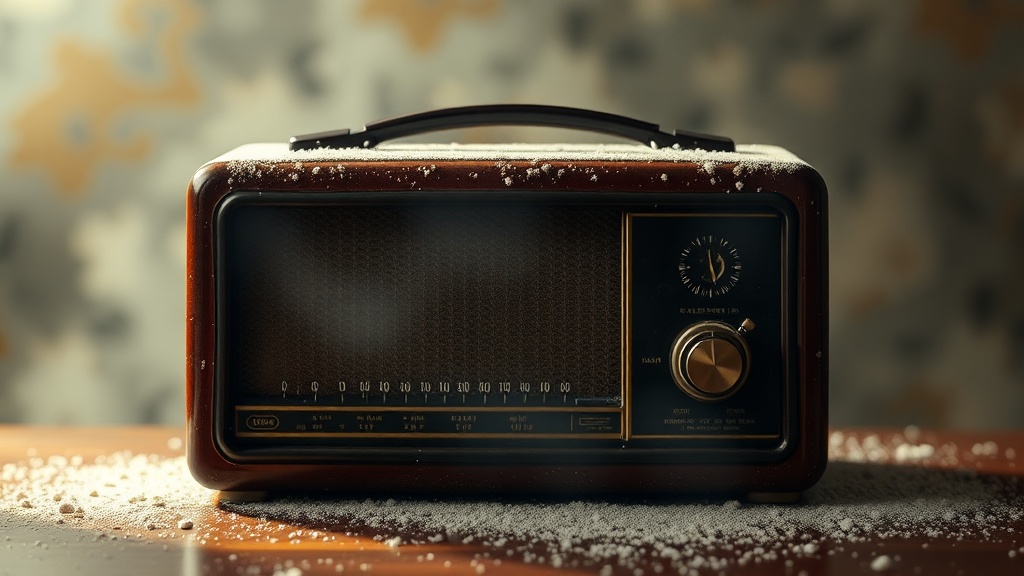
Keeping Dust Away from Your Bakelite Radios

Quick Tip
Always use a soft, dry microfiber cloth to remove dust rather than damp cloths which can trap moisture in the crevices.
Static electricity and airborne particles can actually permanently dull the luster of your Bakelite collection if left unchecked. This post focuses on the specific cleaning methods and storage habits needed to protect your vintage radio's surface from fine dust and abrasive grit. It's a small detail that makes a massive difference in long-term value.
How Do I Clean Dust Off Bakelite?
Use a soft, dry microfibull cloth to gently wipe away dust before introducing any moisture. You shouldn't use heavy chemicals or abrasive pads, as these can create micro-scratches that ruin that deep, glossy finish. Most collectors prefer a high-quality microfiber cloth—the kind you'd use for camera lenses—to lift particles without scratching the surface.
If the dust is particularly stubborn, you can use a slightly damp cloth, but be careful. Too much water can seep into the seams of the radio housing and damage the internal components. If you're worried about the internal electronics, check out my guide to collecting vintage tube radios for more on internal maintenance.
Cleaning Materials Comparison
| Tool Type | Best For... | Avoid If... |
|---|---|---|
| Microfiber Cloth | Daily dusting and light polishing | It's soaked in water |
| Soft Paintbrush | Getting dust out of speaker grilles | The bristles are stiff |
| Damp Cloth | Removing light smudges | Using it on exposed circuits |
Can I Use Furniture Polish on Vintage Radios?
You should avoid using standard furniture polishes or sprays that contain silicone or heavy oils. These substances often leave a greasy residue that actually attracts more dust over time (and that's a nightmare for a clean look). While it's tempting to use a quick spray, the chemical reaction can sometimes cause the Bakelite to become brittle or discolored.
Instead, stick to the basics. A dry cloth is your best friend. If you feel the need to be a bit more thorough, a tiny amount of specialized plastic polish can work, but use it sparingly. According to Wikipedia's entry on Bakelite, this material is a thermosetting phenol formaldehyde resin, which means it reacts differently to heat and chemicals than modern plastics.
Where Should I Store My Radios?
Store your radios in a cool, dry place away from direct sunlight and high-humidity zones. Sunlight is a silent killer; UV rays can cause the rich browns and blacks of your Bakelite to fade or even crack. It's a bummer to see a beautiful piece lose its color because it was sitting too close to a sunny window.
- Avoid Windowsills: Direct sun exposure is the enemy of vintage plastics.
- Watch the Humidity: High moisture levels can lead to internal corrosion.
- Use Glass Cabinets: A display case acts as a physical barrier against household dust.
Keeping your collection in a controlled environment is the best way to ensure they stay looking pristine. For more on long-term maintenance, read my post on preserving the past.