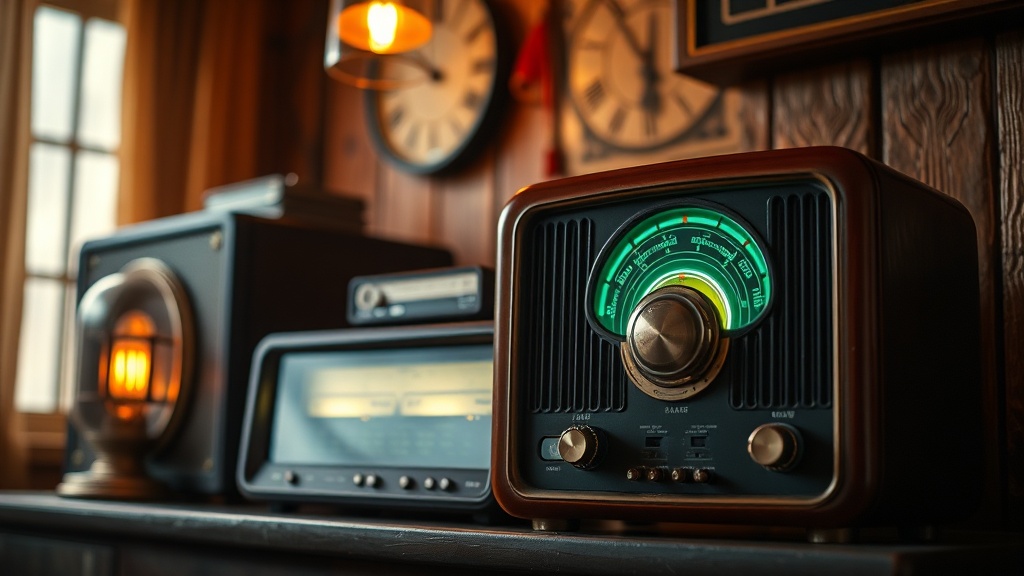
Finding Hidden Gems Among Antique Vacuum Tube Radios

Dusty sunlight filters through a cluttered attic or a dimly lit corner of an estate sale, catching the amber glow of a glass dial. You see a heavy, wooden box with a cloth-covered speaker grille, and you realize it isn't just furniture—it's a piece of history. This guide explains how to identify high-value vacuum tube radios, how to spot mechanical failures before you buy, and how to distinguish a common relic from a true collector's prize. Finding a gem requires a sharp eye for specific brands, materials, and internal components.
What Makes a Vintage Radio Valuable?
A radio's value is determined by its brand prestige, the rarity of its components, and its overall physical condition. While many old sets are merely "junk" that needs heavy restoration, certain models hold significant value even in a non-working state. Collectors look for specific hallmarks that signal a high-quality build or a unique design era.
First, look at the chassis. A heavy, metal chassis with high-quality components is often a better bet than a flimsy, lightweight one. Second, consider the cabinet material. A solid mahogany or walnut cabinet will almost always command a higher price than a simple plywood or Bakelite housing.
There are three main factors that drive the market for these pieces:
- Brand Recognition: Names like RCA, Zenith, and Philco are the "big hitters" of the mid-century radio world.
- Design Aesthetic: Art Deco styles or early Bakelite models often fetch more than the standard "bread box" designs of the late 1940s.
- Technical Complexity: Radios that include shortwave bands or early FM capabilities are highly sought after by enthusiasts.
Don't ignore the small details. A radio with a pristine, uncracked glass dial is worth significantly more than one with a cracked faceplate. It's much easier to fix a circuit than it is to source a replacement for a custom-molded, vintage-specific piece of plastic.
How Do I Spot a High-Quality Vacuum Tube Radio?
You can identify a high-quality radio by checking the weight, the presence of original components, and the complexity of the tuning mechanism. A heavy, substantial feel usually indicates better internal construction and more durable materials.
When you're at an antique mall or an estate sale, pick up the unit. If it feels light and hollow, it might be a budget-tier model from the late 1940s. If it has a certain heft to it—something that feels like it could survive a minor bump—you're likely looking at a premium model.
Check the back of the unit or the bottom panel. You want to see a clean arrangement of tubes and capacitors. If the tubes are all present and look intact, that's a great sign. If you see broken glass or scorched wires, walk away—unless you're an expert at troubleshooting.
A good way to verify the era and quality is to look up the model number on Radio Museum. This is a massive database used by collectors worldwide to identify specific models and their historical context. If the model number is easy to find and widely documented, it's a good sign of a standardized, well-built piece.
One thing to watch for: the "smell test." If a radio smells strongly of ozone or burnt electronics, it's a sign that the internal components have been damaged by heat or electrical surges. This isn't just a minor issue; it could mean the transformer is shot.
| Material | Typical Era | Collector Sentiment |
|---|---|---|
| Solid Wood (Walnut/Mahogany) | 1920s - 1940s | High (Classic/Premium) |
| Bakelite (Early Plastics) | 1930s - 1950s | Moderate to High (Art Deco era) |
| Molded Plastic/Catalin | 1940s | High (Very collectible if colorful) |
| Plywood/Laminate | Late 1940s - 1950s | Lower (Common/Mass-produced) |
How Much Does a Vintage Radio Cost?
The price of a vintage radio varies wildly based on its condition, rarity, and whether it is a "project" or a "collector-ready" piece. A common, non-working unit might cost $20 to $50, while a rare, fully restored Zenith or high-end shortwave set can reach hundreds or even thousands of dollars.
It's helpful to categorize your budget before you start hunting. Most casual collectors spend between $50 and $150 on pieces that look great on a shelf but might need a little electrical work. Professional restorers, however, are looking for much more specialized pieces.
Here is a rough breakdown of what you might encounter:
- The "Shelf Piece" ($20 - $75): These are often non-functional or have heavy cosmetic damage. They are great for display, but don't expect them to play music anytime soon.
- The "Restoration Project" ($50 - $200): These are functional-looking radios that need new capacitors or a new power cord. They are perfect for someone who enjoys the technical side of the hobby.
- The "Collector Grade" ($250 - $1,000+): These are fully functional, aesthetically perfect, and often feature rare brands or unique designs.
Keep in mind that "condition" is subjective. A radio might look beautiful on the outside, but if the internal wiring is a mess of "rat's nest" solder, the value drops. Always ask the seller if the radio has been tested or if it's being sold "as-is." Most estate sale items are sold as-is, which means you're taking a gamble on the internal electronics.
If you're looking into the history of these machines, the Wikipedia page on Radio Technology provides a deep dive into how these circuits actually functioned, which can help you understand why certain models are more complex than others.
What Are the Red Flags to Look For?
The biggest red flags are physical damage to the cabinet, missing vacuum tubes, and signs of water damage. If the wood is warped or there's a musty, damp smell, the internal components are likely compromised by moisture.
Water is the enemy of vintage electronics. If a radio has been sitting in a basement or a garage that leaked, the metal chassis will likely be rusted and the internal wiring may be brittle or even rotting. A rusted chassis is often a dealbreaker for serious collectors.
Another thing to look for is the "missing tube" issue. Vacuum tubes are fragile. If you look through the back and see empty sockets, you're looking at an immediate expense. While you can find replacement tubes, finding the *exact* right ones for a specific vintage model can be a headache.
Watch out for the "Franken-radio." This is a radio that has been poorly repaired with modern parts that don't belong. While some repairs are necessary, a radio that has been heavily modified with non-period-correct components loses its historical value. It becomes a hybrid rather than a true vintage piece.
If you're worried about the longevity of your finds, you might want to read my previous post on thoughtful care for your vintage radio collection. It covers how to maintain the items once you actually bring them home.
One last tip: always check the dial-glass. It's a common point of failure. If the glass is cracked or missing, the radio's aesthetic value is essentially gone. It's a hard fix, and sometimes impossible to find an exact replacement.