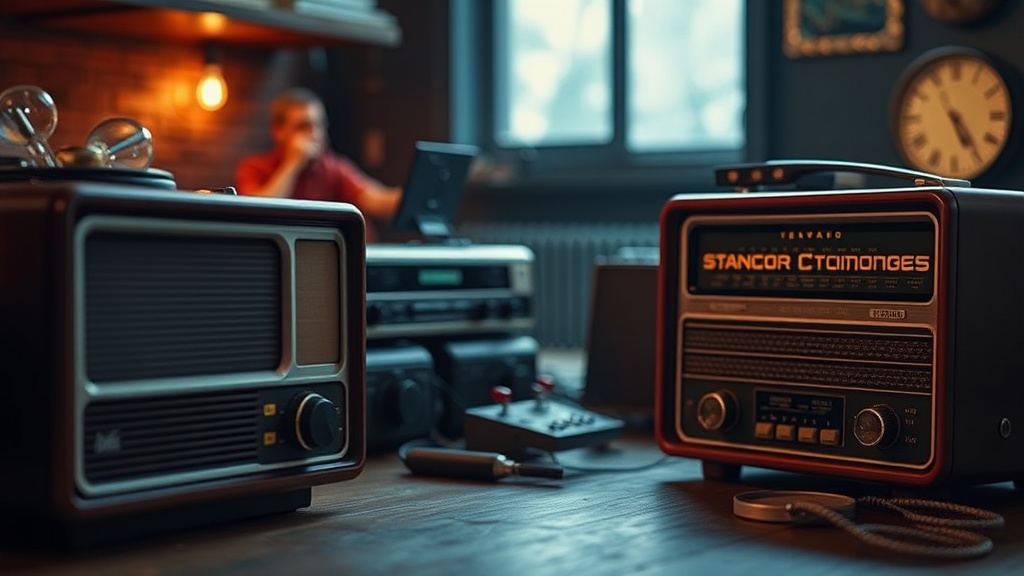
Starting Your Collection: Key Insights for New Vintage Radio Enthusiasts

Entering the world of vintage radio collecting can feel like stepping into a fascinating, echo-filled room. The allure of classic aesthetics, the hum of vacuum tubes, and the tangible connection to broadcast history are powerful draws. Yet, for newcomers, this journey often comes with hidden snags—misconceptions that can lead to disappointment, unnecessary expense, or even safety risks. How do you navigate those initial purchases and early experiences without stumbling into common, yet avoidable, traps?
This guide isn't about specific models or rare finds; instead, we're focusing on the foundational knowledge every aspiring vintage radio collector needs. We'll explore the often-overlooked realities of condition, pricing, and ownership that shape a fulfilling collecting experience, helping you avoid those first-purchase pitfalls and build a collection you'll truly cherish.
What's the real condition of that 'working' radio?
One of the most frequent misunderstandings new collectors face involves the term “working condition.” When a seller states a vintage radio “works,” it often means it powers on and produces some sound. But for a piece of electronics potentially decades old, “working” rarely equates to safe, reliable, or even good performance by modern standards. Expecting plug-and-play perfection from an unreconditioned antique is setting yourself up for a rude awakening.
- The “Power On” Trap: A radio powering on doesn't mean its internal components are sound. Decades-old capacitors, for instance, are notoriously unreliable. They dry out, leak, and can even short, potentially damaging other components—or worse, creating a fire hazard. Electrolytic capacitors, especially, have a finite lifespan and are almost certainly past their prime. A radio that plays for five minutes before dying is a common scenario, and it’s usually due to failing capacitors, needing what collectors call a "re-cap."
- Safety First, Always: Many vintage radios, especially those from the 1930s to 1950s, were designed before modern electrical safety standards. They may have exposed high-voltage wiring, “hot chassis” designs (where the radio's metal chassis is directly connected to one side of the AC line), or frayed power cords. Plugging in an unrestored radio carries a real risk of electric shock or fire, especially if the power cord is brittle or damaged. Always assume an old power cord is compromised and that internal components may fail catastrophically. A qualified technician will inspect and replace critical safety components, ensuring the radio is safe to operate.
- Performance Expectations: Modern radio performance—crisp, clear sound across a wide range of stations—is a product of advanced electronics. Vintage radios, even when fully restored, have inherent limitations based on their original design and the technology of their era. Don't expect your 1940s AM set to pull in distant FM stations with hi-fi clarity, or even strong, consistent AM reception without proper antenna setup; it just wasn't built for that. Even a properly working vintage radio may suffer from weak reception or drift, requiring professional alignment to perform its best. Understanding these limitations prevents frustration.
- The “As-Is” Reality and Seller Descriptions: Most vintage radios are sold “as-is.” This means the seller isn't offering a warranty or guarantee of continued function, even if it worked at the time of sale. Descriptions like "powers on, lights up" or "makes noise" are often thinly veiled admissions that the radio is not fully functional or safe. Your best defense here is careful inspection (if possible) and realistic budgeting for professional restoration, treating any "working" claim with skepticism unless backed by clear evidence of recent, professional service.
Are you overpaying for potential or perfection?
Determining fair value in vintage radio collecting can be tricky. It’s a market driven by rarity, condition, historical significance, and sometimes, pure aesthetic appeal. New collectors often fall into two camps: those who overpay for radios needing extensive work, mistakenly valuing potential as finished product, and those who chase unattainable perfection, missing out on perfectly good, restorable pieces.
- The Restoration Cost Factor: The true cost of a vintage radio extends beyond its purchase price. A comprehensive electronic restoration—re-capping, resistor checks, tube testing, alignment, safety upgrades—can easily cost several hundred dollars. Cosmetic restoration, which might involve cabinet repair, refinishing, or replacing missing knobs and grilles, adds further expense. Factor this into your budget. A $50 radio needing $300 in repairs isn't necessarily a better deal than a $200 radio needing the same work if it's a less desirable model or more difficult to service.
- Rarity vs. Desirability: A radio can be rare without being highly desirable. Scarcity alone doesn't always translate to high market value if few collectors are interested in that particular model or brand. For instance, an obscure industrial radio might be rare but have limited appeal. Conversely, a common model in exceptional, original condition, like an iconic Zenith Walton or a Philco Cathedral, can command a surprisingly high price due to its widespread appeal and lack of available alternatives in similar shape.
- Condition is King, But Not Always Pristine: While an untouched, original finish and intact components are ideal for display pieces, a radio with a worn cabinet but sound electronics might be a better candidate for a first restoration project. Learn to distinguish between superficial wear and deeper structural or electronic issues. Minor cabinet scratches or dulled finishes on wood are often fixable; a cracked bakelite case, warped wooden cabinet, or significant veneer loss might be a deal-breaker unless you're prepared for complex, costly repairs.
- Research, Research, Research: Before buying, spend time researching the specific model you're considering. Look for sold listings on reputable auction sites, consult collector guides, and read forum discussions. Understand its typical market value, common issues, and restoration challenges.