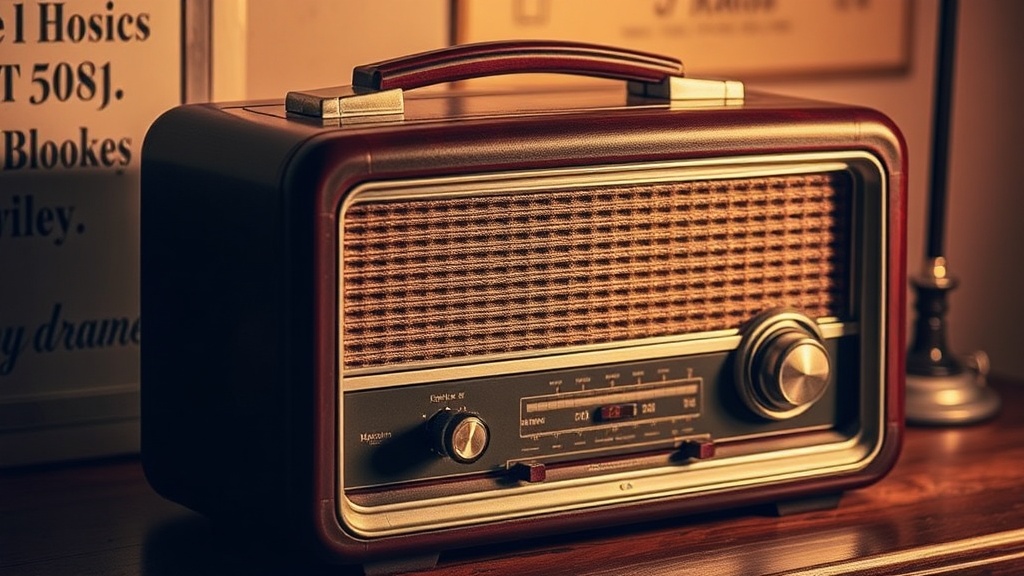
How to Spot a Fake Vintage Radio Before You Buy

This guide walks you through the exact steps to authenticate vintage radios before you hand over your money. You will learn how to examine cabinets, inspect internal components, and verify manufacturer markings so you don't end up with an overpriced reproduction or a Frankenstein radio cobbled together from mismatched parts.
What Are the Telltale Signs of a Reproduction Radio?
Reproduction radios have flooded the market—and they're getting harder to spot. Manufacturers in the 1990s and early 2000s produced "nostalgia" radios that mimic 1930s and 1940s designs but contain modern electronics. These aren't inherently bad if you know what you're buying, but sellers often misrepresent them as authentic vintage pieces.
Start with the weight. Authentic tube radios from the 1930s through 1950s are heavy—often 15 to 30 pounds—thanks to their transformers, metal chassis, and thick Bakelite or wood cabinets. Reproductions feel light and hollow. Pick it up. If it feels like a plastic toy, that's your first red flag.
Examine the cabinet material closely. Original Bakelite has a distinctive smell when warmed (rub it briskly with your thumb—vintage Bakelite emits a formaldehyde or camphor odor). Reproductions use modern plastics that smell like chemicals or nothing at all. Wood cabinets from the golden age feature dovetail joints, solid hardwood, and authentic aging patterns. Reproductions typically use veneered particle board with perfect (suspiciously perfect) corners.
Look at the speaker grille cloth. Original grille cloths from the 1930s and 1940s feature specific patterns—Art Deco geometrics, floral motifs, or simple weaves that have aged naturally. Reproductions often use polyester fabrics with printed patterns that look too crisp, too bright, or too uniform. The colors are wrong, too—vintage fabrics muted over decades; modern reproductions scream with unnatural saturation.
How Can You Verify Original Components vs. Replacement Parts?
Open the back panel—yes, you should always ask to look inside. Original tube radios contain vacuum tubes (obviously), large transformers, paper-wrapped capacitors, and point-to-point wiring. The layout looks hand-assembled because it was. You'll see solder joints with slightly irregular shapes, wires routed in organic paths, and components stamped with date codes from the appropriate era.
Check the tubes themselves. Authentic vintage tubes bear manufacturer markings like RCA, Sylvania, GE, or Tung-Sol with date codes that match the radio's production period. These codes follow specific formats—for example, RCA used a two-digit year followed by a week number. A tube stamped "6503" indicates 1965, third week—useless in a radio supposedly from 1947. Cross-reference tube date codes with the radio's claimed manufacturing date.
The chassis tells its own story. Original chassis are steel or aluminum with a gray or black crinkle finish—never shiny chrome or modern powder coating. You should see decades of dust accumulation in corners (not the kind you can fake with a dirty rag), slight corrosion on metal parts, and possibly even original inspection stamps or assembly line markings.
Replacement capacitors are common—electrolytics fail over time—but be wary of modern plastic-cased capacitors in a 1940s radio. Quality restoration uses period-appropriate replacements or restuffs original cans. A radio with all-original paper capacitors either hasn't been restored (plan on doing the work yourself) or has been sitting untouched since Eisenhower was president. Neither scenario is necessarily bad—you just need to know what you're buying.
Where Should You Look for Hidden Repairs and Modifications?
Sellers rarely volunteer information about repairs. Your job is finding the evidence they've tried to hide. Bring a flashlight and examine the cabinet interior with forensic attention.
Look for glue residue around broken cabinet pieces. Bakelite repair requires special techniques—visible glue lines, mismatched coloration, or slightly raised seams indicate amateur restoration. Professional restoration costs hundreds of dollars; a radio selling for $50 with pristine cabinet corners probably has hidden Bondo repairs or has been completely recast.
Check for non-original knobs. Replacement knobs from the 1970s and 1980s often don't match the original design precisely—they're slightly larger, slightly smaller, or made from different plastic. Original knobs fit tightly with no wobble. If a knob spins freely or sits crooked, someone replaced the potentiometer shaft with an incorrect substitute.
Examine the power cord. Original cloth-covered cords become brittle and dangerous over decades. Replacement cords aren't deal-breakers—safety matters—but they should be period-appropriate. A vintage radio with a bright orange modern extension cord hacked into the chassis suggests amateur electrical work throughout. That "bargain" might burn your house down.
Peer inside the cabinet for evidence of circuit modifications. Extra holes drilled in the chassis, wires that don't match the original color coding, or components labeled with modern part numbers (like "2008" date codes) indicate someone has been tinkering. Some modifications improve functionality—adding an FM tuner to an AM-only radio, for example—but these changes affect collectibility and value. You deserve to know exactly what you're purchasing.
How Do Manufacturer Markings Help You Date and Authenticate?
Every major manufacturer stamped model numbers and serial numbers somewhere on their radios. Zenith typically placed these on a metal tag inside the cabinet or chassis. RCA used paper labels (often deteriorated now) or stamped numbers directly into the chassis. Philco favored foil stickers that rarely survive intact.
Learn the model numbering systems. Zenith's famous "Trans-Oceanic" series used specific prefixes indicating production years. The H-500 appeared in 1951; the G-500 in 1949. A seller claiming their G-500 is from 1955 either doesn't know their inventory or hopes you don't. Cross-reference model numbers with reference materials like the Radio Museum database before making offers.
Factory assembly stamps provide additional verification. Some manufacturers ink-stamped production dates inside cabinets—often visible only under specific lighting angles. These stamps weren't meant for collectors; they helped factory workers track batches. Finding an original stamp in a hidden corner confirms authenticity better than any seller's guarantee.
What Questions Should You Ask Every Seller?
Even experienced collectors get burned by smooth-talking sellers. Protect yourself with specific questions that expose uncertainty or dishonesty.
Ask about operational history: "When did you last power this on?" A seller who hasn't tested the radio (or won't) is selling you a project, not a functioning collectible. Ask about previous owners: "Where did you acquire this?" Provenance matters—estate sales from original owners offer better authenticity odds than flea market flips. Ask about restoration: "Has anyone worked on this radio?" Vague answers suggest amateur repairs or undisclosed modifications.
Request additional photographs of specific areas—the chassis, tube lineup, cabinet interior. Legitimate sellers accommodate reasonable requests. Resistance or excuses ("I don't know how to open it") signal potential problems. A serious collector knows their inventory intimately.
Finally, verify the seller's reputation within collecting communities. The Antique Radio Forums maintain watch lists of problematic sellers. A quick search saves thousands of dollars in regret. Established dealers with brick-and-mortar locations and return policies offer protection that random Craigslist sellers cannot match.
Collecting vintage radios rewards the prepared and punishes the impulsive. Every radio tells a story—but only if it's genuine. Take your time, examine carefully, and trust your instincts when something feels off. The right radio at the right price will still be there tomorrow. The fake that's "only available right now" was never worth your money anyway.
For additional authentication resources, consult the Radio Museum database with thousands of documented models and specifications.