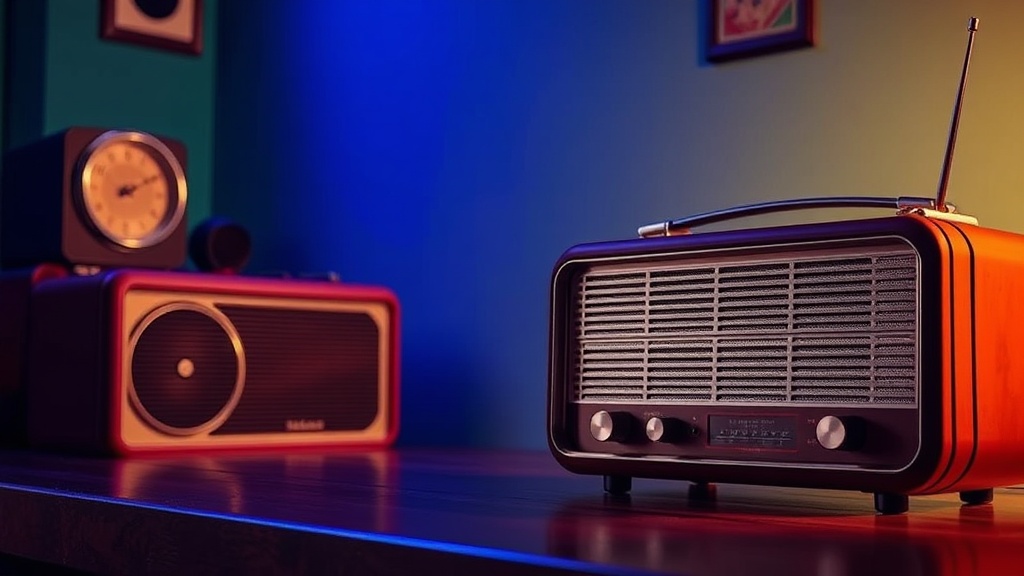
Discovering Iconic Vintage Radio Designs That Shaped Generations

Discovering Iconic Vintage Radio Designs That Shaped Generations
This exploration dives into the distinct design eras of vintage radios, offering insights into the forms, materials, and cultural impact that made them unforgettable. Understanding these stylistic shifts is key for any enthusiast looking to appreciate the full scope of radio's rich history, whether you're a seasoned collector or just beginning to explore the world of antique electronics. We'll trace the evolution from grand furniture pieces to personal, portable devices, highlighting the unique characteristics that define each period. This isn't just about old technology; it's about appreciating the artistry and ingenuity that mirrored societal changes.
What Distinct Forms Defined Early Radio Aesthetics?
The early days of radio saw rapid technological advancements, but also a concerted effort to integrate this new medium into the home. Manufacturers quickly moved beyond purely functional boxes, embracing design philosophies that reflected the aspirations of the era. The form factor became as significant as the internal workings, creating pieces that were both technological marvels and statements of style.
The Commanding Presence of Cathedral Radios
Emerging prominently in the early 1930s, Cathedral radios quickly became a visual cornerstone of the Art Deco movement within the home. Their distinctive arched tops, often featuring intricate wood veneers and carefully crafted grille cloths, gave them an almost architectural feel. These weren't just radios; they were elegant pieces of furniture, designed to be displayed proudly in living rooms. The vertical orientation and compact footprint (compared to later consoles) made them popular, allowing for a noticeable presence without dominating an entire wall. Companies like Philco produced some of the most memorable Cathedral designs, with their elaborate dials and rich wood tones capturing the imagination of a generation. The appeal wasn't just about receiving broadcasts; it was about owning a symbol of modern convenience and refined taste. Their iconic silhouette remains instantly recognizable, a testament to their lasting design influence.
The Stately Elegance of Tombstone Radios
Following closely on the heels of the Cathedral style, Tombstone radios—prevalent through the mid to late 1930s—offered a more rectilinear, yet equally stately, aesthetic. Taller than they were wide, these radios maintained a commanding vertical presence but often with a more subdued, less ornate wood cabinet. While still substantial, they frequently featured simpler lines and less dramatic arches than their Cathedral counterparts. This design allowed for larger speaker cones and more complex circuitry, often translating to better sound quality, making them a popular choice for families who wanted both performance and presence. They represented a transitional period, bridging the highly decorative Art Deco flourishes with a growing appreciation for clean, functional design. Many collectors appreciate the substantial feel and robust construction of these models, embodying a period when radios were built to last for decades.
How Did Materials and Technology Influence Mid-Century Radio Styles?
The mid-20th century brought a new wave of innovation, not just in electronics, but in the materials used to house them. The introduction of synthetic plastics fundamentally changed manufacturing processes and opened up a world of new design possibilities. No longer restricted to woodworking, designers could experiment with bold new shapes, colors, and textures, creating radios that looked — and felt — distinctly modern.
The Bold Innovation of Bakelite and Early Plastic Tabletop Radios
The advent of Bakelite, the world's first synthetic plastic, revolutionized radio design from the 1930s onwards. Suddenly, manufacturers could produce radio cabinets not from labor-intensive wood, but from a material that could be molded rapidly and affordably. This meant new, fluid shapes were possible—streamlined curves and geometric forms that truly captured the modernist spirit. While early Bakelite was typically dark brown or black, later plastics like Catalin introduced a riot of vibrant colors and marbled patterns, transforming radios into cheerful, decorative objects. These compact tabletop models brought radio entertainment to kitchens, bedrooms, and offices, making it more accessible than ever before. Their durability, combined with their striking aesthetics, has made them highly sought after by collectors today, representing a turning point in both industrial design and consumer electronics. For a deeper dive into this fascinating material, consider exploring the history of Bakelite itself: