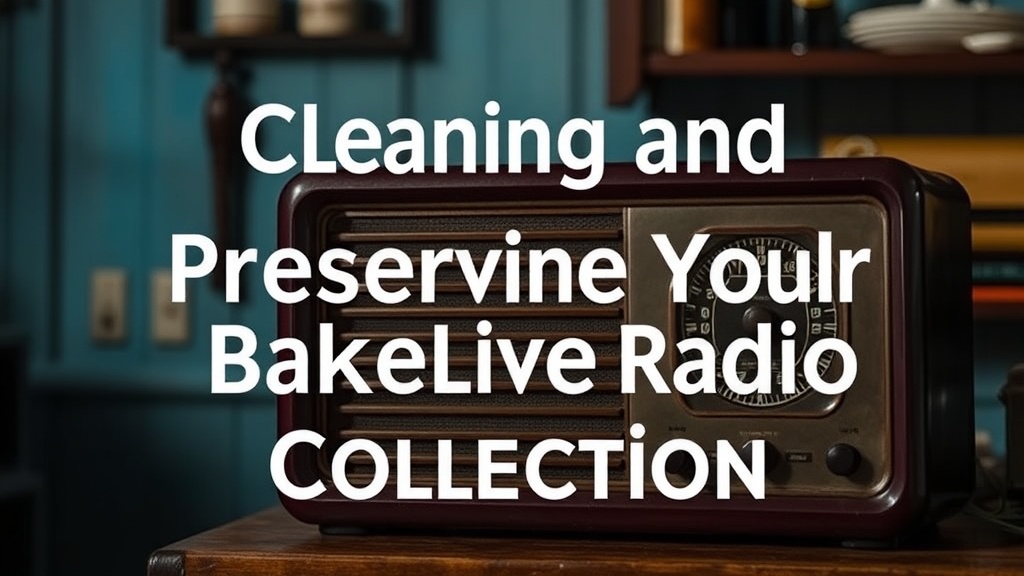
Cleaning and Preserving Your Bakelite Radio Collection

An estimated 15% of all Bakelite items produced in the early 20th century have been lost to improper cleaning or chemical damage. This loss isn't just about a single object; it's about the permanent degradation of the chemical structure of the material itself. When you own a vintage radio, you aren't just holding a piece of technology—you're holding a delicate polymer that reacts to almost everything in a modern household. This guide covers how to identify safe cleaning methods and how to prevent the common mistakes that turn a beautiful amber finish into a dull, cracked mess.
Bakelite is a thermosetting phenol formaldehyde resin. Unlike modern plastics, it doesn't just melt; it undergoes chemical changes. If you use the wrong cleaner, you might trigger a reaction that leaves the surface cloudy or, even worse, permanently etched. Most collectors start by reaching for a damp cloth, but that's often where the trouble begins if the water is too hot or if there's a trace of soap left behind.
What is the safest way to clean Bakelite?
The first rule of thumb is to avoid anything abrasive. No scouring pads, no heavy scrubbing, and absolutely no harsh chemicals. If you have a layer of dust or grime on your radio, start with a soft-bristled brush—something like a clean, soft-bristled toothbrush or a high-quality makeup brush. This lifts the loose debris without scratching the surface. Once the dust is gone, a slightly damp, lint-free cloth is your best tool. Never soak the cloth; you want it barely damp to avoid moisture seeping into the seams of the radio cabinet.
For stubborn spots, you might be tempted to use a specialized plastic cleaner. Be careful here. Many commercial cleaners contain alcohols or solvents that can strip the finish. Instead, use a very mild solution of water and a tiny drop of pH-neutral soap. If the grime is particularly stubborn, a tiny amount of high-quality carnauba wax can sometimes help polish the surface, but only after the item is completely dry and clean. You can find more technical details on the chemical properties of early resins through the ChemGuide resource to understand how these materials react to different environments.
Can I use vinegar to polish my vintage radio?
The short answer is no. While many people swear by vinegar for cleaning household items, it is an acid. Using an acidic solution on Bakelite can lead to a dulling effect over time. The acid can react with the resin, leading to a loss of luster that is very difficult to reverse. If you see a dull patch after using a cleaning agent, it's a sign that the surface has been compromised. Instead of looking for a 'magic' liquid, focus on physical-mechanical cleaning—using a soft cloth and gentle pressure.
If you're dealing with a radio that has significant buildup, you might consider using a specialized museum-grade wax, but even that should be used sparingly. The goal is to maintain the existing finish, not to add layers of new material. If the radio has any metal parts, like a tuning knob or a logo, ensure that no moisture stays in contact with the metal for more than a few seconds to prevent rust or oxidation. A dry, soft cloth is always safer than any liquid.
How do I store my radios to prevent cracking?
Temperature and humidity are the two biggest enemies of vintage radio collections. Bakelite is relatively stable, but the expansion and contraction caused by extreme temperature swings can lead to micro-fractures. If you live in a place with high humidity, like the humid south, you need to be particularly careful. Storing your radios in an attic or a basement is a mistake. These areas have fluctuating temperatures that will eventually ruin the integrity of the resin and the wooden-looking veneers often found on radio cabinets.
A climate-controlled room is the ideal environment. If you display your radios in a living area, try to keep them away from direct sunlight. UV rays are brutal on old plastics; they cause discoloration and can make the material brittle. If your radio has a beautiful deep red or chocolate brown color, sunlight will fade it into a pale, unattractive shade. You can check the historical standards for museum-grade storage through the Library of Congress archives to see how delicate artifacts are preserved in professional settings.
A Quick Reference for Surface Care
| Material Type | Safe Method | Avoid This |
|---|---|---|
| Smooth Bakelite | Damp lint-free cloth | Alcohol, Vinegar, Abrasives |
| Textured/Fluted Bakeliite | Soft brush, minimal water | Soaking, deep scrubbing |
| Metal Accents | Dry microfiber cloth | Bleach, Heavy moisture |
One thing to remember is that many vintage radios aren't just Bakelite; they might have a wood veneer or a celluloid inlay. If you treat a celluloid inlay like a piece of hard Bakelite, you might end up with a disaster. Celluloid is much more flammable and much more sensitive to heat. Always identify the exact material of your radio before you touch it with any cleaning agent. If you aren't sure, it's much better to leave the dust alone than to risk a permanent mistake.
Collectors often ask if they should use oils to bring back a shine. While some older tutorials suggest mineral oil, this is a slippery slope. Oil can seep into the cracks and cause the material to swell or even become even more brittle over time. A clean, dry, high-quality microfiber cloth is often all you need to restore a beautiful glow. It’s about being a steward of the object, not a renovator. You want to preserve the history, not erase it with a "new" look.